The Sleep Revolution: How Quality Rest Transformed My Health and Can Change Yours Too
By Faraz Parvez
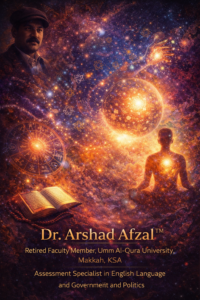
Professor Dr. (Retired) Arshad Afzal
Retired Faculty Member, Umm Al-Qura University, Makkah, KSA
(Pseudonym of Professor Dr. Arshad Afzal)
I never truly understood the miraculous power of sleep until I confronted the sharp edge of exhaustion myself. For decades, I lived under the illusion that sleep was simply a passive state, a necessary pause between my intellectual pursuits, teaching responsibilities, and the relentless cycles of academic life. Like many professionals of my generation, I wore sleepless nights as a badge of honor, mistaking them for proof of my dedication.
But in truth, I was slowly robbing myself of the very vitality I sought to preserve. It wasn’t until my body rebelled—through waves of fatigue, unexpected health scares, and creeping mental fog—that I was forced to confront the reality: sleep is not a luxury, but the very foundation of health, productivity, and emotional well-being.
Today, I wish to share my journey into the science and spirituality of sleep, how it reshaped my physical and mental health, and why it may be the single greatest investment you can make in your own well-being.
The Forgotten Pillar of Health
When we speak of health, we instinctively mention diet and exercise. From television programs to wellness seminars, the mantra is repeated endlessly: “Eat well, move more, stay active.” And while these principles are undeniably vital, we often ignore the third pillar of health—sleep.
Science today confirms what ancient traditions hinted at: our bodies are not machines that run endlessly. They are living ecosystems that require restoration, recalibration, and renewal. Without sufficient and quality sleep, every system—cardiovascular, hormonal, metabolic, neurological—falls into disarray.
I learned this lesson the hard way. For years, my sleep schedule was erratic. Lectures, administrative meetings, academic writing, assessment duties, and family obligations stretched my waking hours far beyond their natural limit. Slowly, my body began sending signals: increased blood pressure, mild but persistent headaches, reduced concentration, and an alarming susceptibility to stress. I brushed it aside as “age catching up.”
But the truth was harsher. It was sleep deprivation silently eroding my health.
What Really Happens When We Sleep
The modern sciences of neuroscience and chronobiology have now mapped the profound activities that occur while we rest. To call sleep a “shutdown” is a tragic understatement.
- The brain detoxifies itself through the glymphatic system, flushing out toxins, including beta-amyloid, which has been linked to Alzheimer’s disease.
- Memories consolidate, and learning is sealed. Every lecture I gave, every paper I wrote, every idea I wanted to remember—they all depended on deep sleep cycles.
- Hormones are regulated. Growth hormone repairs tissues, melatonin orchestrates circadian rhythms, and cortisol resets for the coming day.
- The immune system strengthens, preparing to battle infections.
When I realized these mechanisms, it struck me: how foolish had I been to cut corners on the very process that made me sharper, stronger, and healthier? Sleep was not wasted time—it was the most productive state of all.
The Global Epidemic of Sleeplessness
Sadly, I am not alone in this negligence. Across the world, sleep deprivation is now a silent epidemic. Blue screens glow late into the night, work emails chase us into bed, stress grips our thoughts, and stimulants like caffeine trick us into postponing rest.
According to recent studies:
- Over 60% of adults worldwide report poor sleep quality.
- Chronic sleep loss is linked to heart disease, obesity, diabetes, depression, and weakened immunity.
- Even moderate sleep deprivation impairs decision-making and focus as severely as alcohol intoxication.
Reflecting on this, I recognized how society has normalized sleeplessness in the pursuit of productivity. Yet, paradoxically, it is sleep that fuels true productivity, creativity, and emotional balance.
My Transformation: Reclaiming the Night
It was a turning point in my own life when I made sleep a non-negotiable priority.
At first, it felt alien—switching off devices an hour before bed, dimming lights, practicing relaxation rituals, and refusing to glorify sleepless nights as “dedication.” But the results were astonishing.
Within weeks, I noticed:
- My blood pressure stabilized.
- My focus sharpened, and my writing gained clarity.
- My mood improved, reducing irritability and stress.
- My immune system strengthened; colds and fatigue vanished.
In truth, it felt like I had been given a second life. And all it required was respecting the ancient wisdom of night and day cycles that nature had written into my biology.
The Science of Better Sleep: Practical Steps
Here, I must share what worked for me—and what modern research supports:
- Consistency: Sleeping and waking at the same time daily rewired my circadian rhythm.
- Darkness: Blackout curtains, warm lighting, and zero screen-time after 10 PM aligned my body with natural melatonin release.
- Cooling the Room: A slightly cool bedroom (around 18–20°C) helped me fall asleep faster.
- Mind Unloading: Journaling my thoughts before bed silenced mental noise.
- No Stimulants: Avoiding caffeine after mid-day was transformative.
- Spiritual Practices: Reciting short prayers and breathing deeply created a state of serenity. Sleep became sacred, not mundane.
Each step was small, yet collectively, they formed a revolution in my health.
The Spiritual Dimension of Sleep
As a scholar, I cannot separate science from spirituality. Sleep is mentioned in the Qur’an as a sign of divine mercy: “And We made your sleep [a means for] rest. And We made the night as clothing, and We made the day for livelihood.” (78:9–11).
This profound description aligns with the latest research: sleep is indeed a garment of healing, wrapping us in restoration. Recognizing this divine design gave me not only discipline but reverence for the process of sleep.
I began to view my nightly rest as an act of faith and gratitude—entrusting myself to the Creator, believing that each dawn is a renewal of life.
The Sleep Revolution Is Personal
I now firmly believe that we need nothing short of a sleep revolution in our society. Just as fitness campaigns and dietary awareness movements reshaped health in the past decades, it is time to restore sleep to its rightful place in the triad of health.
For me, the transformation has been deeply personal. My productivity, creativity, and spiritual well-being are flourishing. But beyond the personal, I see it as a duty to share this message:
Your best medicine may not come in a capsule. It may come in the form of seven to eight hours of restorative sleep each night.
A Personal Call to You
So, if you are reading this today, I ask you: When was the last time you woke up feeling truly refreshed? Not just “not tired,” but renewed, alive, inspired?
If the answer eludes you, then perhaps it is time for you too to join this journey. Guard your nights, protect your rest, and cherish sleep as one of the greatest gifts you can offer your body, mind, and soul.
For in sleep lies not just recovery, but the key to splendid health, sharper intellect, and deeper spiritual connection.
Conclusion: My Pledge
From this day forward, I made a pledge: never again will I sacrifice my health at the altar of sleepless ambition. And I encourage you to make the same pledge. Your heart, your brain, your relationships, and your very soul will thank you.
Sleep is not idleness. Sleep is life itself.
By Faraz Parvez
Professor Dr. (Retired) Arshad Afzal
Retired Faculty Member, Umm Al-Qura University, Makkah, KSA
(Pseudonym of Professor Dr. Arshad Afzal)